Science News
 American
Science News for 13 May 2026
American
Science News for 13 May 2026
APOE2 Protects Neurons from DNA Damage and Aging
Neuroscience News - 13 May 2026 18:34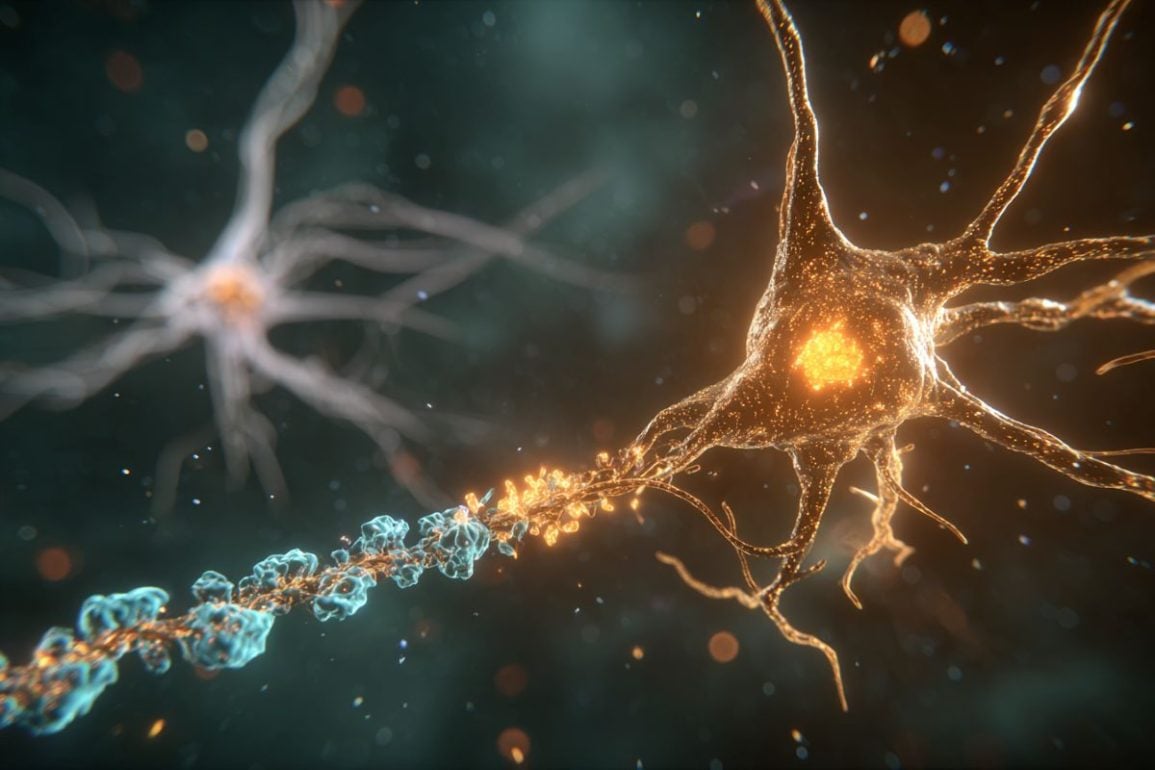 Researchers discovered that the APOE2 gene variant shields the brain by helping neurons repair DNA damage and resist cellular senescence. By shifting focus from lipid transport to genomic integrity, this study identifies...
New rules confirm public has a right to see how UK government uses AI
New Scientist - 13 May 2026 15:00
Government departments and other public bodies in the UK must consider requests to release information about AI-produced content, regulators have confirmed. The move follows a successful request by New Scientist for the ...
Earth is flying through ancient supernova debris and scientists found the evidence in Antarctic ice
Science Daily - 14 May 2026 01:16
Earth is quietly collecting radioactive debris from an ancient stellar explosion as our Solar System drifts through a giant cloud of gas and dust between the stars. Scientists analyzing Antarctic ice up to 80,000 years o...
Scientists discover the Southern Ocean is sweating more as climate change intensifies
Science Daily - 13 May 2026 23:59
A remote island between Australia and Antarctica is showing signs of a dramatic climate transformation. Scientists found storms over Macquarie Island now unleash much heavier rainfall than they did decades ago, soaking e...
New psychedelic-like drugs could treat depression without making you trip
Science Daily - 13 May 2026 23:07
UC Davis researchers created brand-new psychedelic-like compounds by shining UV light on amino acid-based molecules. These compounds activated key serotonin receptors tied to brain plasticity and mental health benefits, ...
Sleep Duration Linked to Accelerated Aging
Neuroscience News - 13 May 2026 22:39 Researchers have discovered a "U-shaped" link between sleep and the biological clocks of 17 different organ systems. Sleeping fewer than 6 hours or more than 8 hours accelerates the aging of your heart, lungs, an...
Why Men and Women Hear Differently
Neuroscience News - 13 May 2026 22:25 A new study presents evidence that hormonal changes, from monthly cycles to menopause, significantly alter how the brain processes sound. By highlighting that men and women follow entirely different auditory decline traj...
Neural Hotwire: How Biological Synapses Bypass Broken Brain Links
Neuroscience News - 13 May 2026 22:06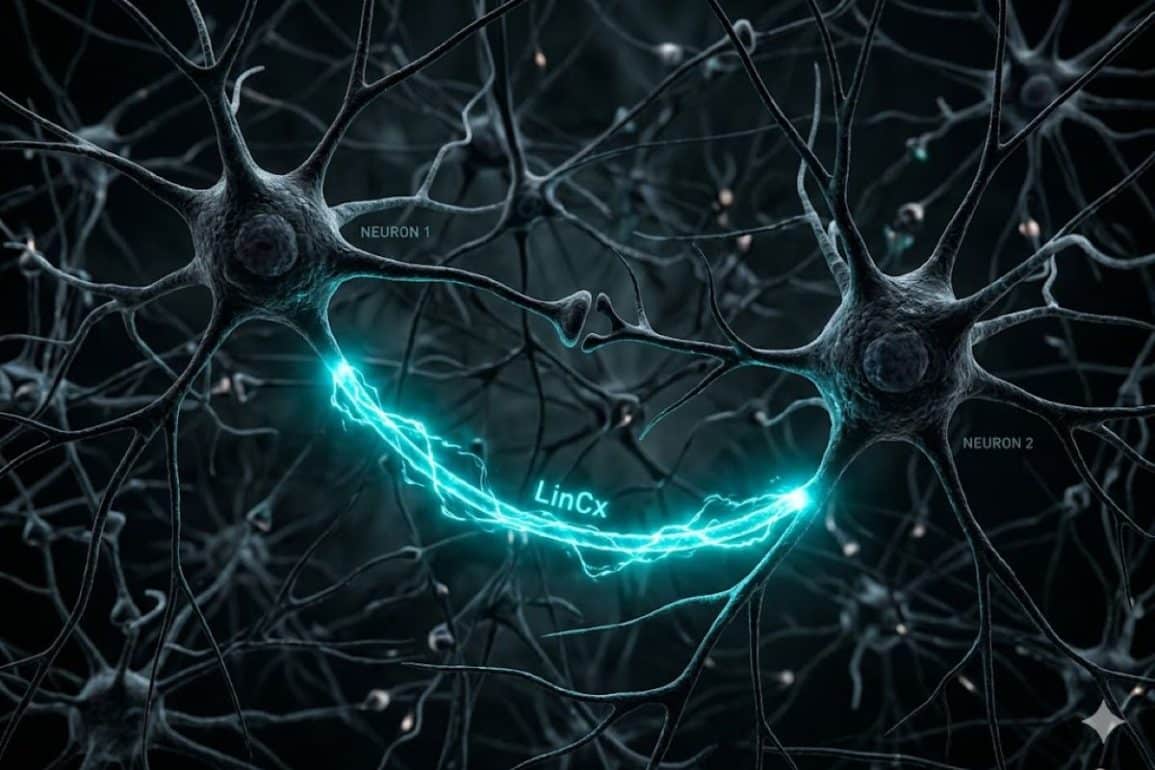 Can we "hotwire" the brain to fix neurological disorders? Researchers have unveiled LinCx, a technology that creates biological electrical "bypasses" between neurons. By engineering fish-derived proteins ...
Neanderthals treated a dental cavity by drilling into the tooth
New Scientist - 13 May 2026 22:00
A Neanderthal tooth shows clear signs of human intervention to treat bacterial decay, showing that the earliest dentistry began at least 59,000 years ago
A New Genetic Entry Point for Autism Traits
Neuroscience News - 13 May 2026 21:41 Can autism's core traits be separated from cognitive ability? Researchers have identified PTCHD1-AS, a long non-coding RNA gene that regulates social interaction and repetitive behaviors without affecting learning or...
Shocking turtle photo reveals efforts to combat illegal wildlife trade
New Scientist - 13 May 2026 21:00
Winner of an environmental photography award, this shot of a sea turtle seen under ultraviolet light shows how forensic evidence is being used to help catch poachers and animal traffickers
Arctic fires are releasing carbon stored for thousands of years
New Scientist - 13 May 2026 21:00
A study of soils around the Arctic and boreal forests has found that some wildfires are releasing carbon stored over millennia, meaning higher CO2 emissions than assumed
New Scientist recommends a smart new account of human exceptionalism
New Scientist - 13 May 2026 21:00
Why did humans decide they weren't like other animals, or animals at all? Has this exceptionalism twisted us out of shape? Michael Bond's book Animate offers a page-turning account of where we are now
Science doesn't have a monopoly on good ideas
New Scientist - 13 May 2026 21:00
Scientific disciplines often shy away from asking fundamental "what if" questions. But philosophy - if unencumbered by dogma or ideology - has much to offer evidence-based enquiry
New Scientist recommends visiting the blooming corpse flower at Kew
New Scientist - 13 May 2026 21:00
The books, TV, games and more that New Scientist staff have enjoyed this week
SpaceX prepares to launch next-generation Starship, the tallest and most powerful rocket ever built
Live Science - 13 May 2026 20:54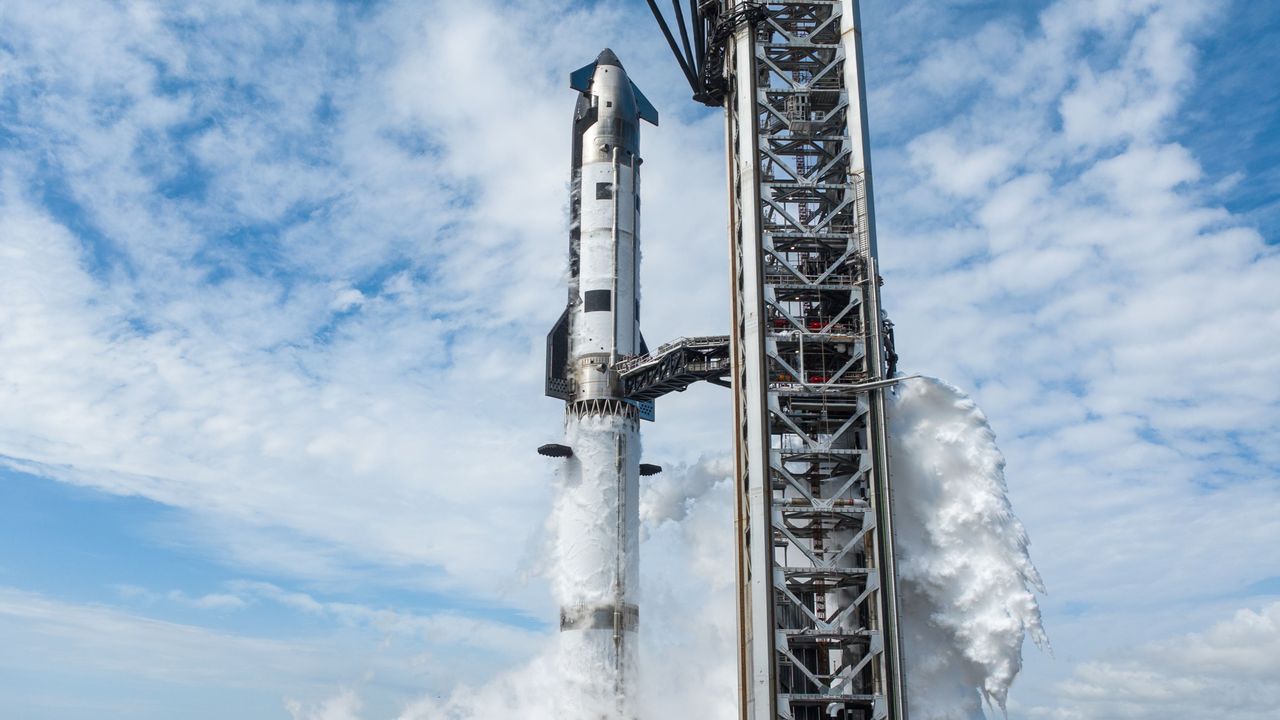 Starship V3's maiden spaceflight is scheduled for next week as SpaceX prepares to launch the tallest and most powerful rocket ever built.
'We're less prepared for contagious pathogens': The US has degraded its ability to track and squash outbreaks, Emory epidemiologist says
Live Science - 13 May 2026 20:50 Live Science spoke with a leading epidemiologist from Emory University about her impressions of how the hantavirus outbreak is being managed in the U.S.
'Exceptional' drilled tooth reveals Neanderthals practiced dentistry in Siberia 60,000 years ago
Live Science - 13 May 2026 20:00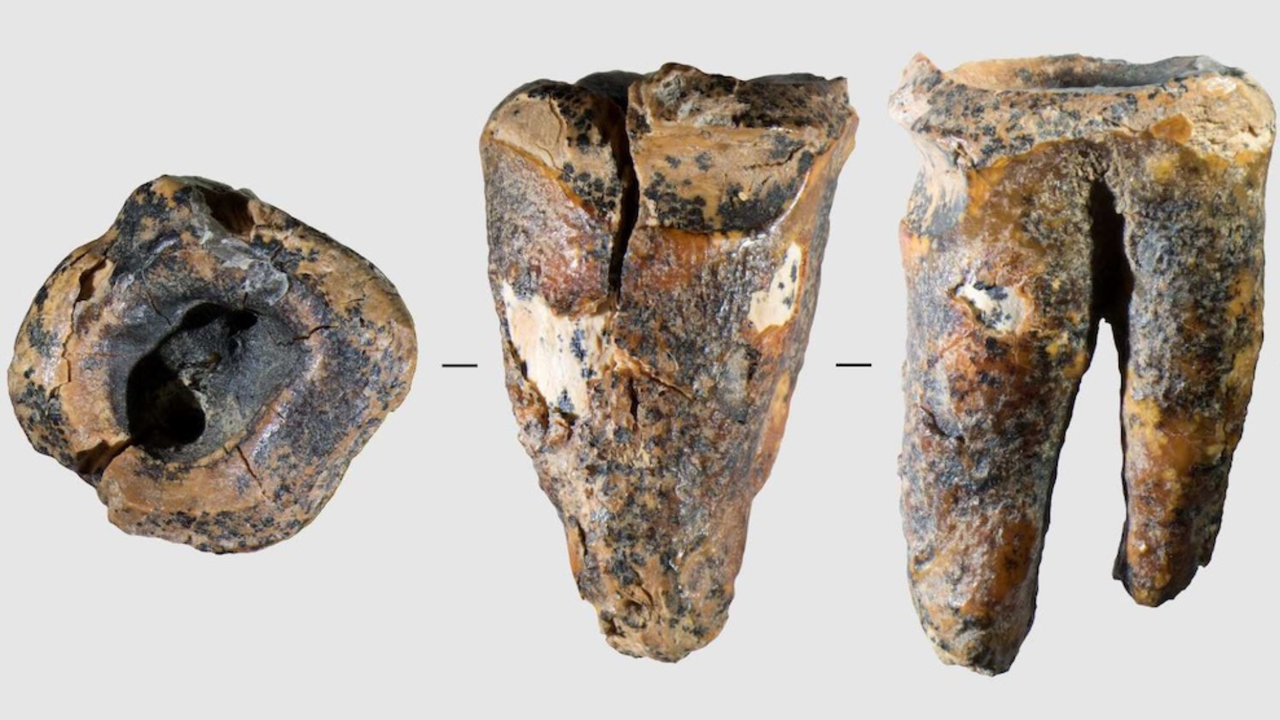 A hole found in a 60,000-year-old Neanderthal tooth was likely made by a stone drill, making the discovery the oldest evidence of intentional dentistry to date.
Genetic Pathways Link Cannabis Use to Psychosis Risk
Neuroscience News - 13 May 2026 19:31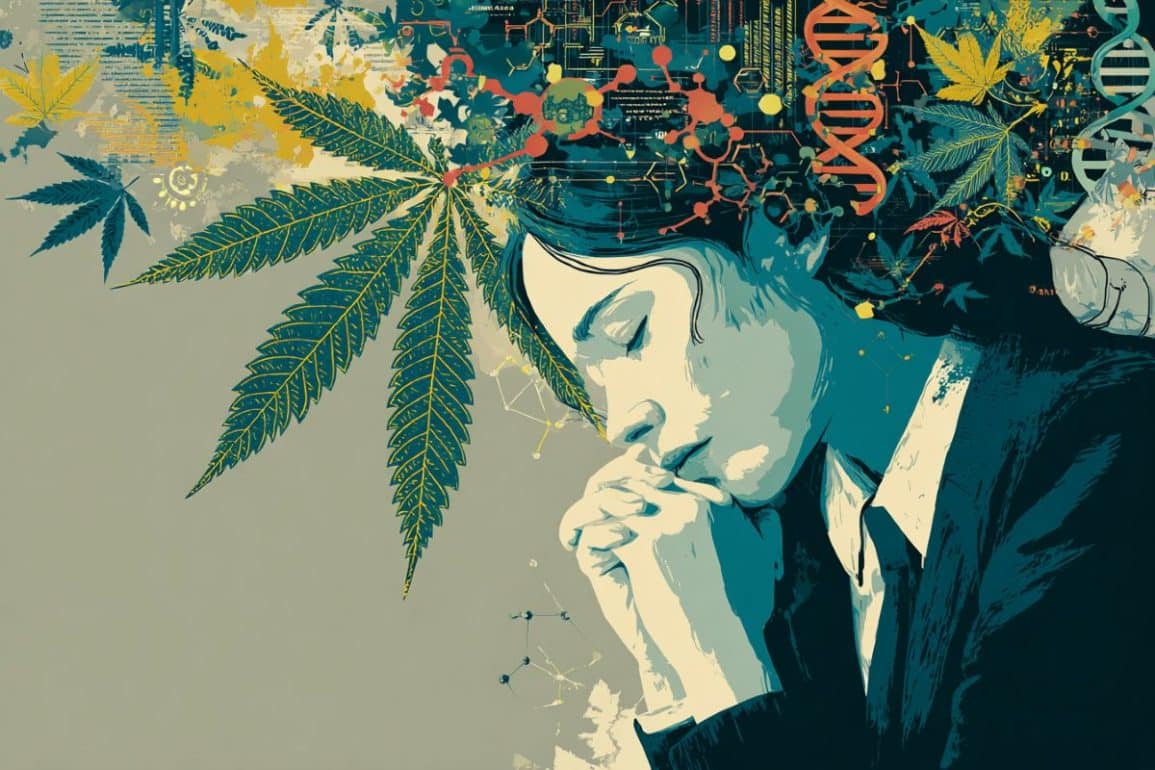 Researchers have identified three distinct genetic pathways that explain how Cannabis Use Disorder (CUD) leads to psychosis. By analyzing over 500 genetic markers and the role of the glutamate system, which is heavily im...
The Milky Way ate a galaxy called Loki, and scientists think they found its bones
Live Science - 13 May 2026 19:20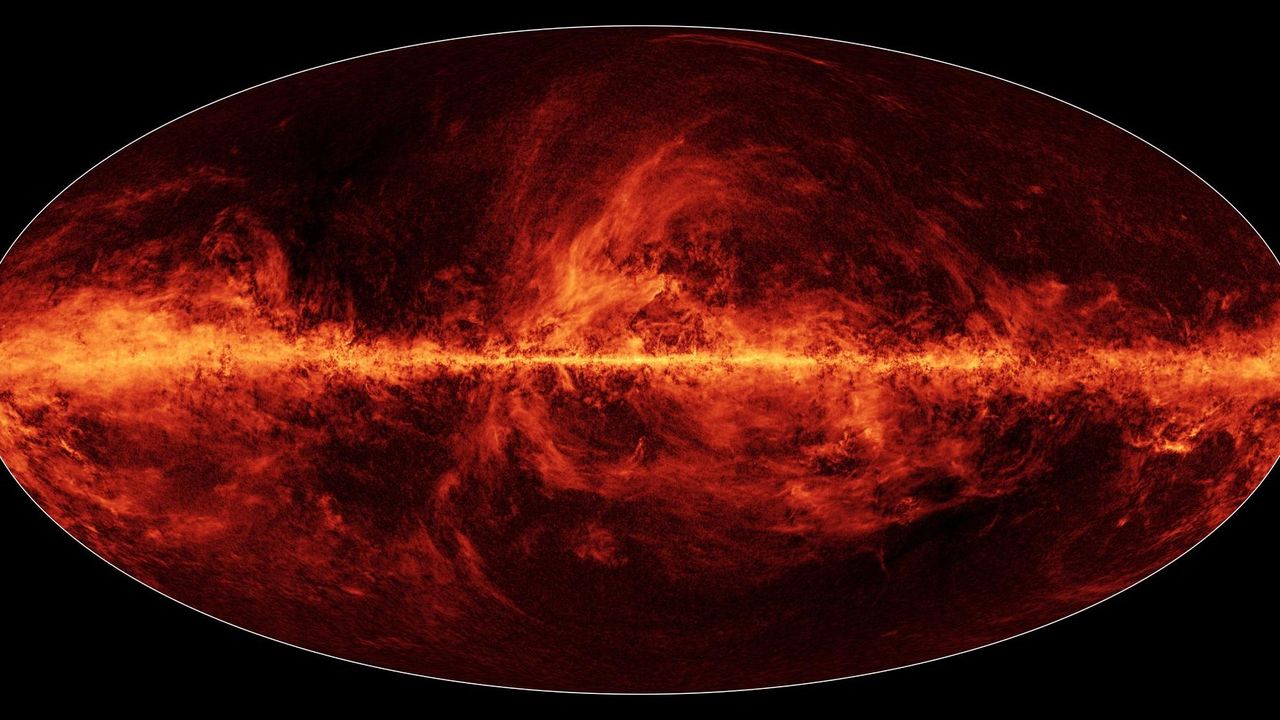 Astronomers have identified a group of ancient stars that may be the remnants of a dwarf galaxy named Loki that merged with the Milky Way more than 10 billion years ago.
Genetic Risk for Schizophrenia Diverges Brain Growth in Teens
Neuroscience News - 13 May 2026 19:20 A longitudinal study of over 6,000 children has found that those with high genetic risk for schizophrenia experience a decrease in frontal brain surface area during early adolescence, while their peers experience growth....
Asteroid to miss Earth by a quarter of the length from us to the moon
New Scientist - 13 May 2026 19:08
Asteroid 2026JH2 will zoom past Earth at a distance of only 90,000 kilometres next week. It has enough mass to wipe out a city, but simulations suggest there is no chance of an impact for at least the next century
 Global
 Great Britain
 Indian
 South Africa